Bathtub reglazing and repair in Tampa, FL.
Also called refinishing, resurfacing, or simply painting a bathtub. The tub never leaves the room. The old surface is repaired and prepared, and a new one is sprayed on top. Done properly it buys you 10 to 15 years for a fraction of a replacement. Done badly it peels inside a year. The difference is almost entirely in the part nobody photographs.
Call or text (813) 819-6778.
Priced by written scope, never by the hour.
The question nobody tells you to ask.
Every reglazing page you will read today talks about gloss, color and price. None of them mentions what is about to be opened in a room the size of a closet. Your family is on the other side of the door. So here it is, before you hire anyone, including us.
What made this trade dangerous
For years the standard way to take an old coating off a tub was a stripper based on methylene chloride. In a small bathroom its vapor reaches harmful levels within minutes. It settles low, which is exactly where a refinisher works. OSHA has tied 17 worker deaths in bathtub refinishing to it between 2000 and 2015. OSHA and NIOSH published a joint hazard alert about this exact job in 2013.
What the law says about it now
The EPA stopped the retail sale of methylene chloride paint removers to consumers in 2019. Its 2024 rule under the Toxic Substances Control Act goes further. It bans most industrial and commercial uses of the chemical, paint and coating removers included. Anyone still stripping a tub with it is outside the rule, not ahead of it.
What we do instead
We do not use methylene chloride strippers. The room is set up before anything is opened. Air is pulled out of the bathroom and exhausted, not stirred around inside it. The crew wears the respiratory protection the product data sheet calls for. You can read the safety data sheet for anything we spray in your house. Ask, and you get it.
Why this is your question, not only ours
The same vapor that hurts a refinisher does not stop at the bathroom door. Ask every company on your list two things. What is in the stripper, and how are you ventilating the room. Both answers should come back in one sentence, without hesitation. A company that cannot give you those should not be working in your house.
The surface you have decides the price, not the tub you want.
Two bathtubs can be the same size, in the same neighborhood, in the same shape to the naked eye. They are routinely not the same price. Here is what separates them.
Whether something has been sprayed on it before
A tub that has already been reglazed cannot simply be sprayed again. The old coating has to come off first. If it does not, the new one is bonded to a failure and leaves with it. Stripping is the slowest, most careful part of this job. It is the single biggest swing in the price.
What the tub is made of
Porcelain over cast iron, porcelain over steel, fiberglass and acrylic each take a different preparation. Cast iron does not move but rusts through where the enamel is gone. Fiberglass and acrylic do not rust but they flex, and flex is what cracks a coating.
The repairs that happen first
Chips, rust spots and cracks are dealt with before anything is sprayed. Every one of them is a line in the scope. A chip on the rim and a crack in the floor look like the same problem. They are not.
How far the new surface goes
Just the tub. The tub and its tile surround. The tub, the surround and the wall tile above it. Those are three different jobs with the same bathtub in the middle. The scope says which one you are buying.
What gets repaired before anything is sprayed.
A coating hides nothing. It follows the exact shape of what it is sprayed onto, damage included. It gives that damage a shiny new surface. So the repairs come first, every time, and each one is priced on its own.

A chip on the rim or the wall of the tub
Filled, sanded flat and feathered into the surface around it. Once the whole tub is coated it disappears. This is the easy one.
A rust spot on cast iron or steel
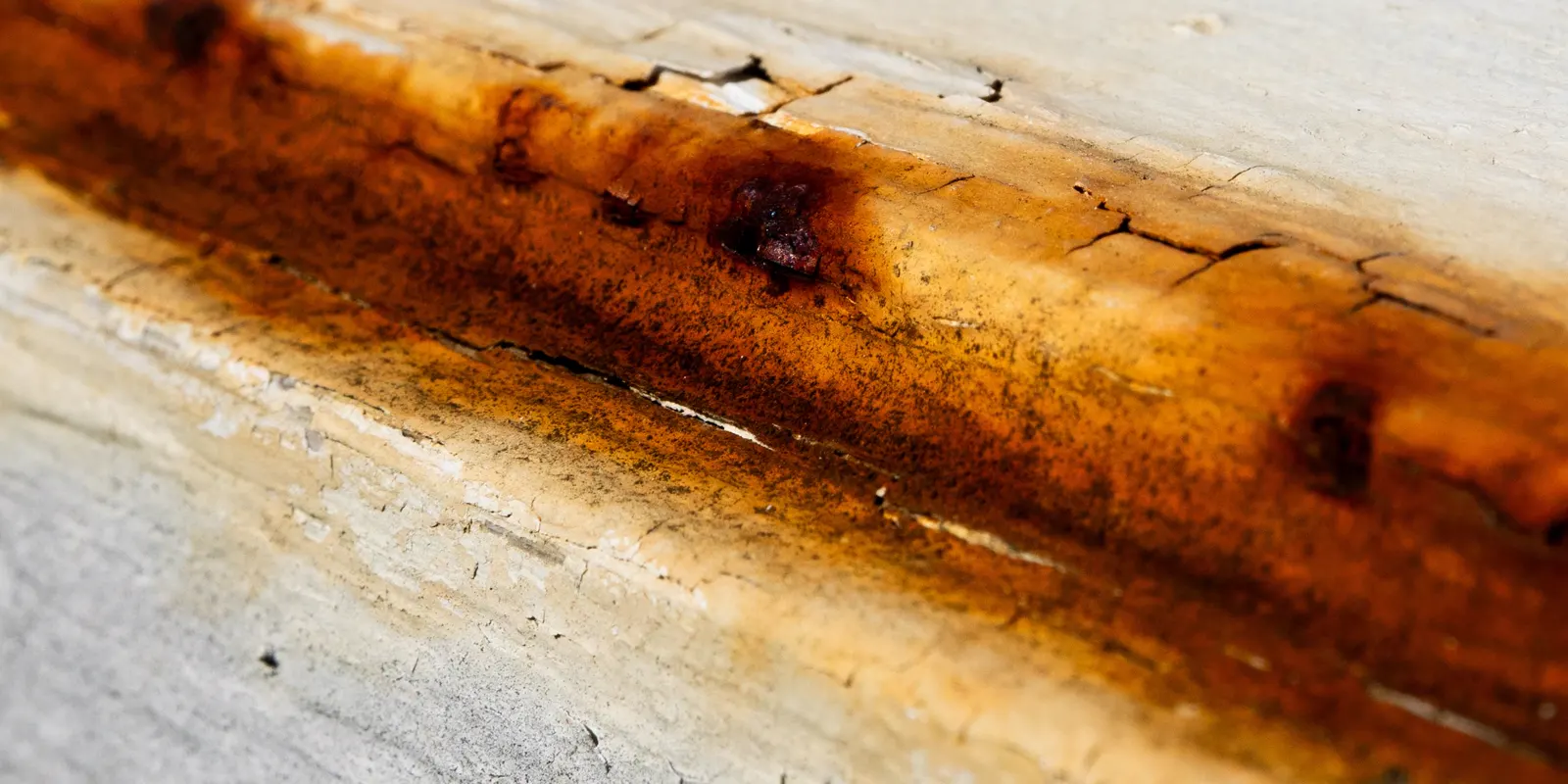
Rust has to be taken back to sound metal and sealed. Coated over, it keeps growing underneath. It lifts the new finish from below within a year or two. If the rust has gone all the way through the shell, the tub is finished. We will tell you so instead of selling you a coating.
A crack in the floor of the tub
This is the one the category gets wrong. A fiberglass or acrylic floor cracks because it is flexing. The mortar bed or foam under it has compressed, or it was never fully supported. Fill the crack without fixing the support and you buy the same crack back within a year. The floor gets reinforced from underneath first, then filled, then coated.
A spiderweb of fine cracks
The same story as above, further along. It means the floor has been moving for a long time. Sometimes it can still be reinforced. Sometimes it is the signal to stop and talk about replacing the tub. We would rather say that on the walkthrough than after the deposit.
Every trace of the old caulk
All of it comes out, and the residue with it. Silicone is the most common cause of a coating failing anywhere in this trade. Nothing bonds over it, and you cannot see it. Skipping this step saves 20 minutes and costs the whole job.
The parts that come off, not masked over
Drain and overflow trim come off rather than get taped around. A coating sprayed up to a piece of tape leaves an edge. An edge is where a coating starts to lift.
What is included, and where it ends.
A written scope is only worth something if it says where it stops. These are the boundaries we put in writing before anyone opens a can.
How long the bathroom is out of use.
This is one of the shortest jobs in a bathroom, and it has one hard stop. The spraying is a matter of hours. The cure is set by the product data sheet. Not by us, and not by how much you want a bath. The date goes in your scope. If there is an old coating to strip first, that is the step that adds a day.
When we tell you not to do it
Reglazing is the cheap answer, which makes it very easy to sell to someone who needs the expensive one. So these are the cases where we turn it down.
The shell has failed
A tub that is cracked through, moving underfoot, or rusted through is not a finish problem. A coating on top of that is months of looking better followed by the same conversation. Bathtub replacement is the honest answer.
The wall next to the tub is wet
A new surface on the tub does nothing about water getting in behind the tile. It makes the bathroom look finished while the problem carries on. That gets found first. If we see it on the walkthrough, we will tell you.
Nobody in the house takes baths
If the tub is where the shampoo bottles live, making it shiny is money spent on the wrong problem. A tub to shower conversion may be the job you want.
You are remodeling the room next year
A new coating, then a tile job over the top of it. That means dust, tools and a ladder in a fresh finish. Either do them in the right order or do them together. Doing them backwards is paying twice.
Lifetime warranty on our workmanship.
If the work we did fails, we come back and fix it. That holds for as long as you own the home. On a reglaze it means one thing, and it is worth being exact about it: the bond. If the coating lifts because of how we prepared the surface, that is ours. It does not expire.
A warranty is only worth what its exclusions say. Ours are above, in the same size type as the promise. Most of this trade covers adhesion for 3 to 5 years. Ask whoever you are talking to how long theirs runs, and get the number in writing.
Questions we actually get asked
Is reglazing the same as refinishing, resurfacing or painting a bathtub?
Yes. Four names for one job. The tub stays where it is and gets a new surface sprayed onto it. Painting is the word most people use on the phone. It is also the least accurate. This is a two part coating applied in thin passes over a chemically prepared surface. It is not paint out of a can.
How long does a reglazed tub last?
The trade publishes 10 to 15 years for professional work that is properly cared for. What decides where you land in that range is the preparation and the aftercare. It is not the brand of the coating. A tub scrubbed with abrasive powder and fitted with a suction cup mat will not get near it.
Can you reglaze a tub that has already been reglazed?
Yes, but never by spraying over it. The old coating has to come off first. A new coating sprayed over a failing one is bonded to that failure. It leaves with it. Stripping is the slowest part of the job. It is the honest reason two tubs that look identical are not the same price.
Can you change the color?
Yes. Almond or bone to white is the most common request in Florida houses of a certain age. The color is named in the scope before the job starts.
Can the tile surround be done at the same time?
Yes, and it is usually the point. A white tub inside a pink tile surround still reads as a dated bathroom. The surround is a separate line in the scope, never assumed.
How long before I can use it?
The cure time comes from the product data sheet, not from us. The date goes in your scope. Filling a tub before that date is the fastest way to ruin a new coating. It is not covered by anything.
Do you do just a repair, without reglazing the whole tub?
Yes. A chip, a crack or a rust spot is its own job with its own price. One thing said in advance: a color matched patch on an old finish is never invisible in every light. We will tell you that before the work, not after.
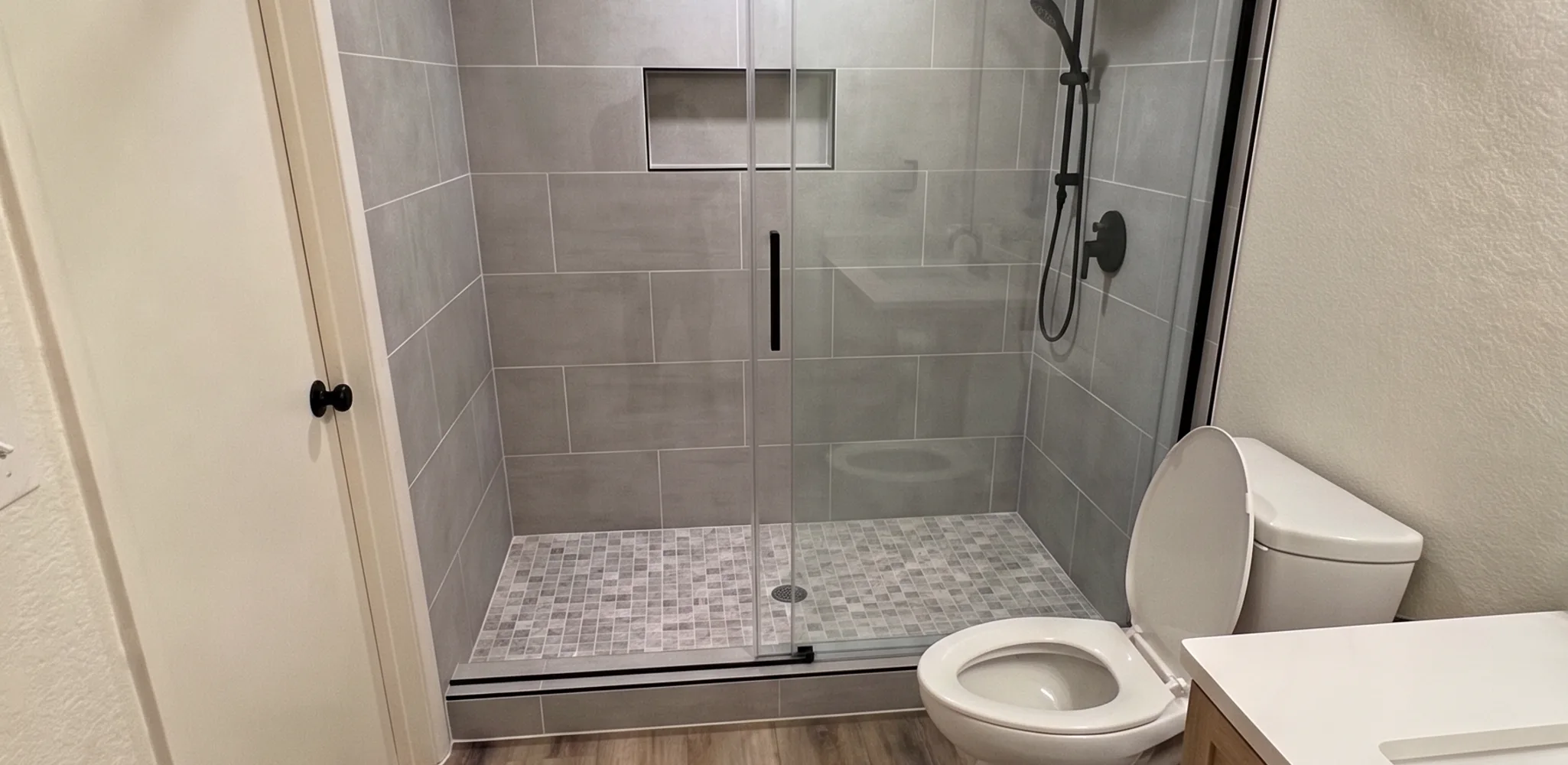
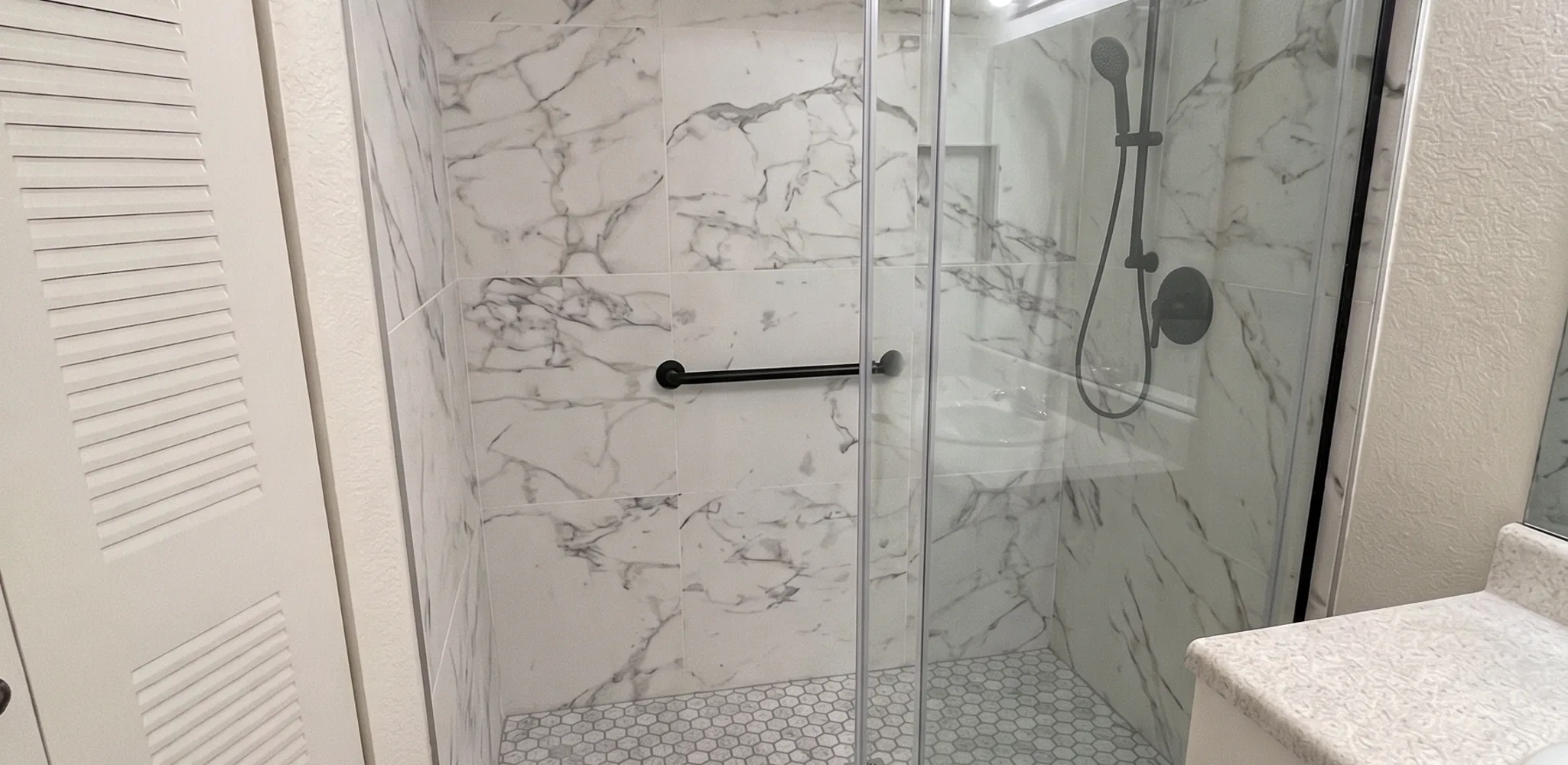
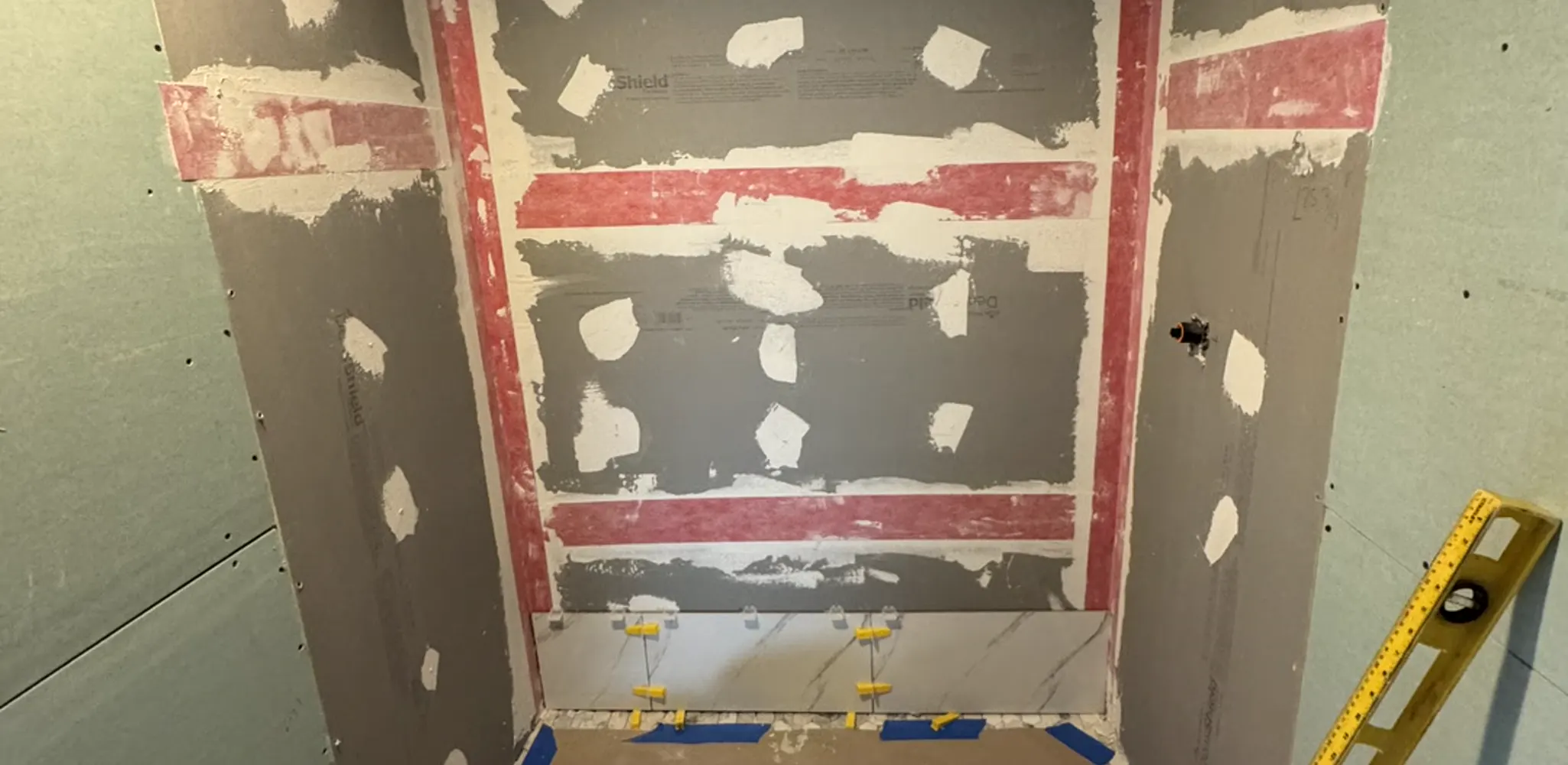
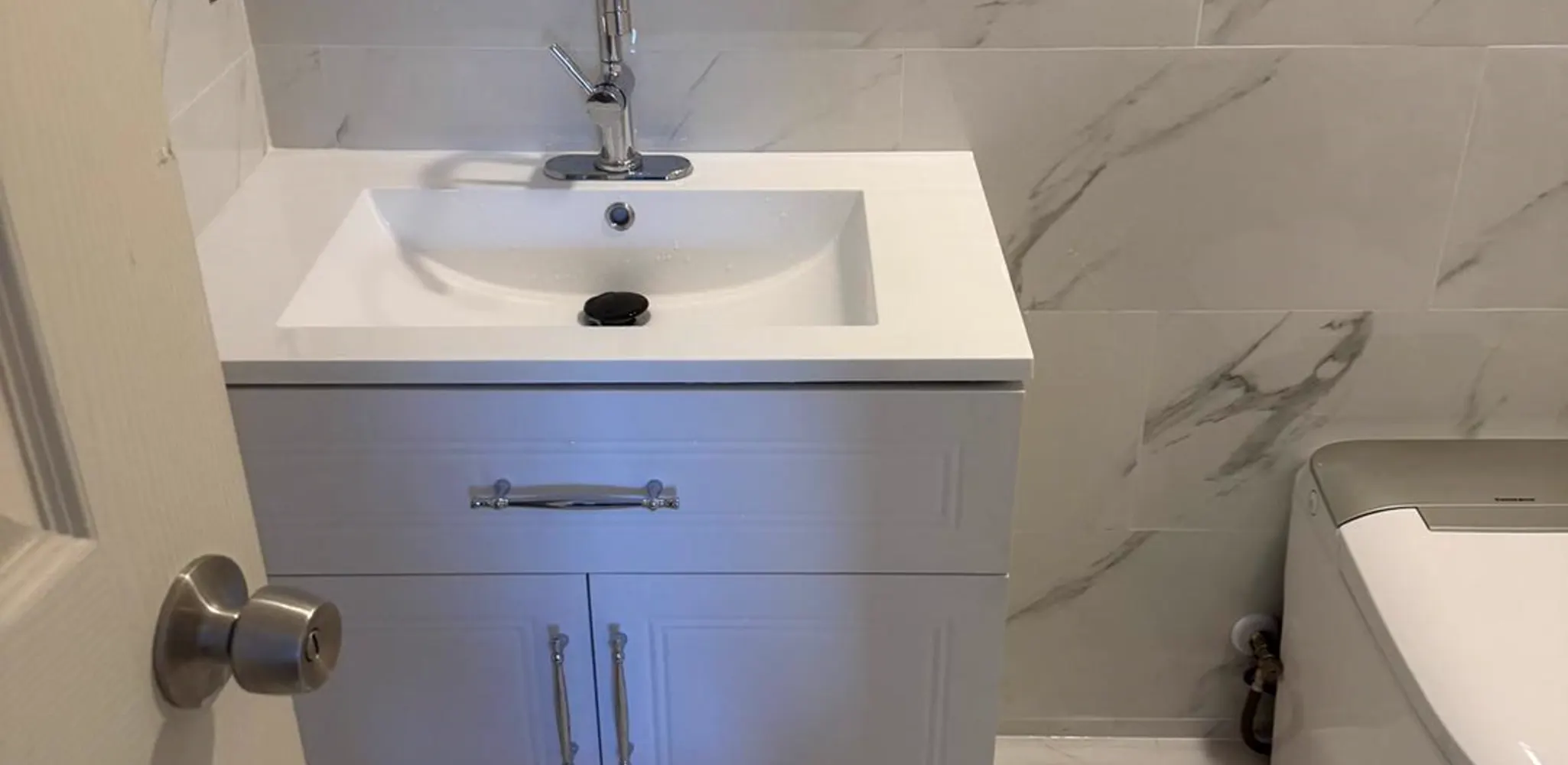
The other bathroom services


Where we work
Hillsborough, Pinellas, Pasco, Manatee and Sarasota counties. If your town is not on this list, call and ask: the answer is often yes.
A walkthrough, then a written scope with one closed price.
Never hourly, never a verbal figure, and our workmanship carries a lifetime warranty. Hillsborough, Pinellas, Pasco, Manatee and Sarasota counties.